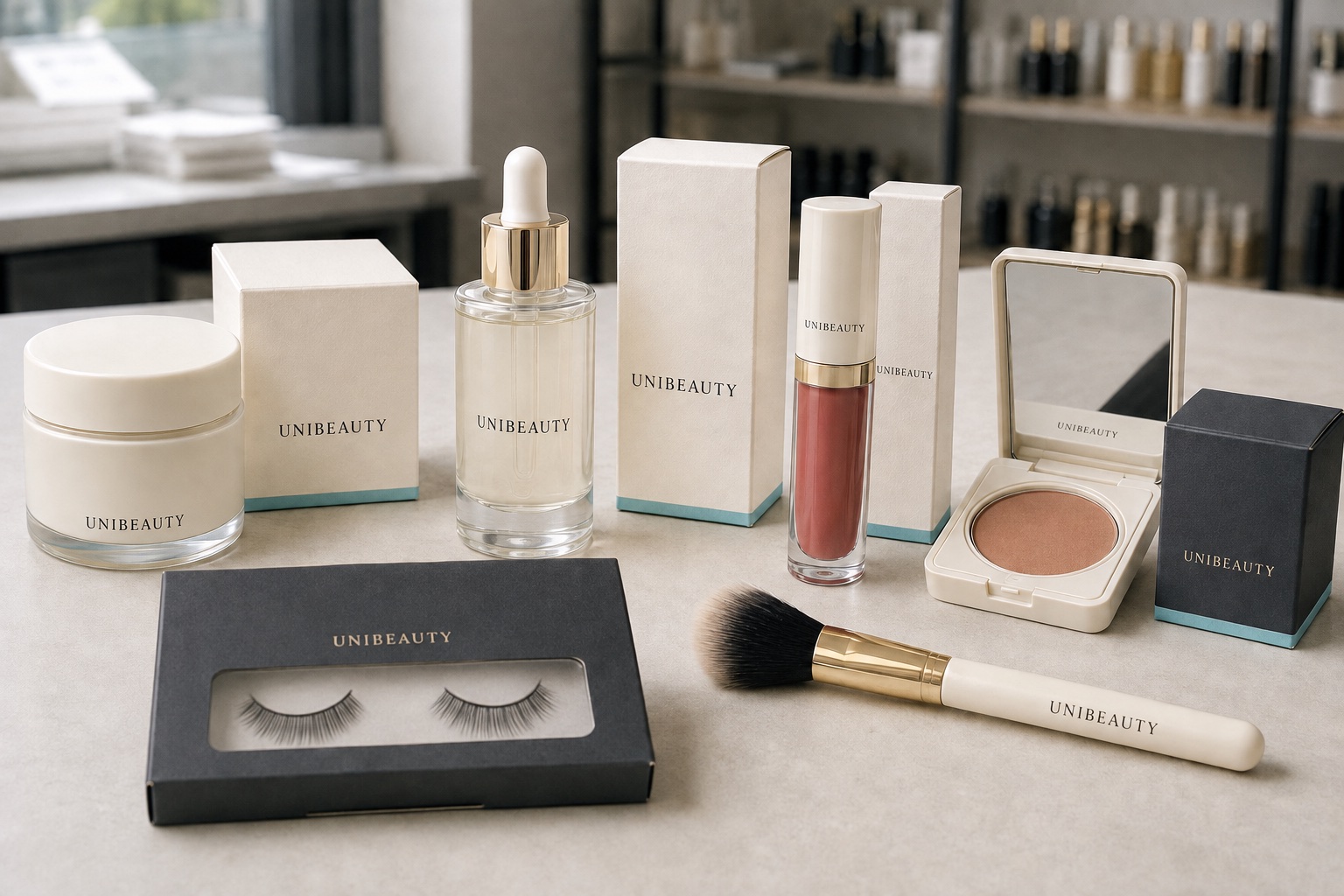
Choose the ODM route for a commercially defined launch or category expansion.
Start with a commercially defined hero product or build a coordinated collection across makeup, skincare, bath and body, beauty tools, lashes and packaging. Each route connects product development, sampling, packaging, production planning and repeat-order continuity.
Every category displayed on this website is within UniBeauty’s development and supply scope. We plan individual products, coordinated kits and complete lines around your existing shelves, consumers and purchasing plan. Broad category coverage lets us select a focused combination with highly competitive products and prices, while giving each SKU a clear role.
For multi-brand programs, we keep each brand’s consumer, price position and packaging rules clear while coordinating suitable shared resources. Related personal-care and feminine-care requirements can also be included in a broader development brief, with their own materials, specifications, packaging and verification needs.
Makeup
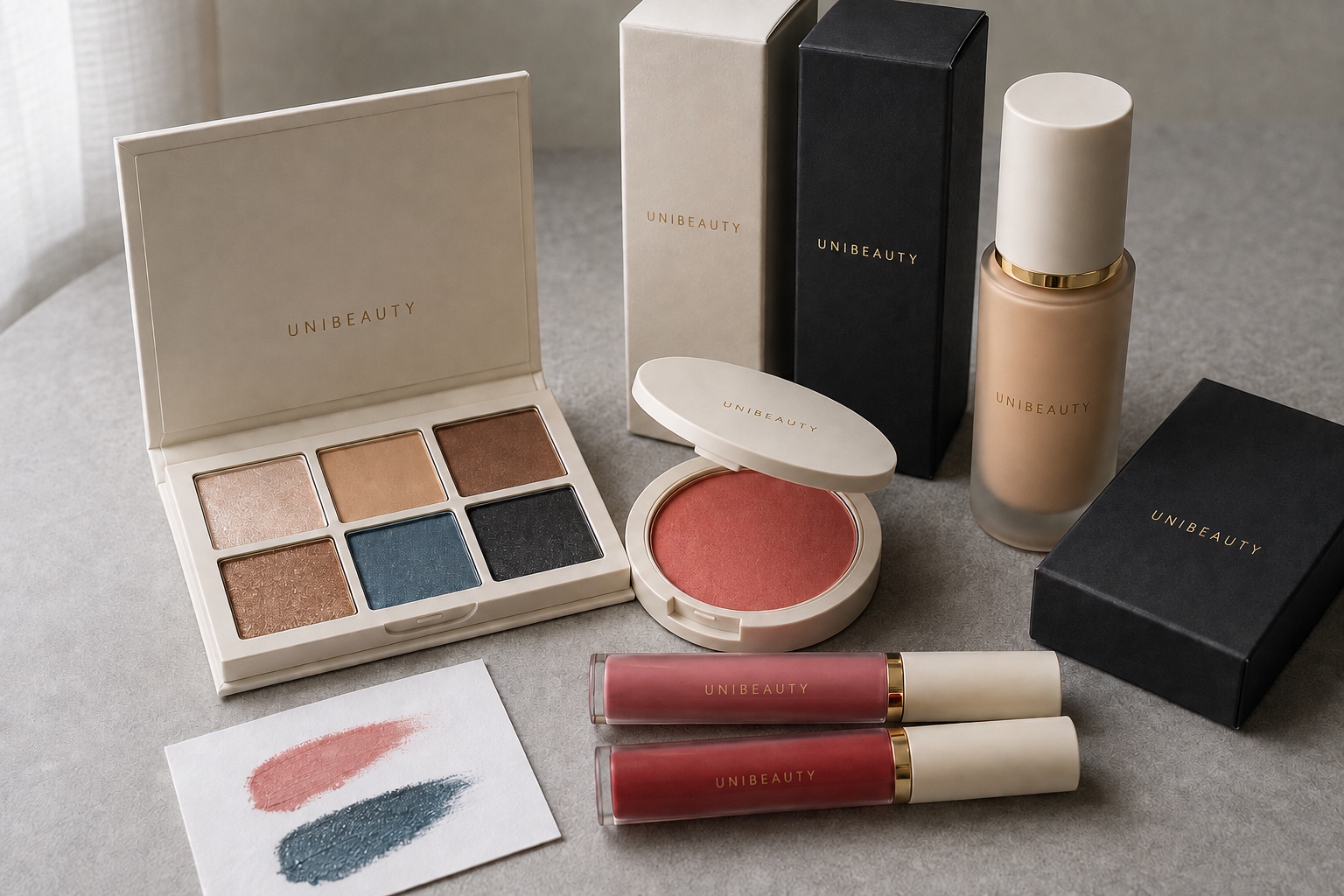
Private label makeup built around format, shade and finish
Plan face, eye, brow and lip products around the texture, color direction, payoff, component, applicator and retail presentation your market needs.
Share the target consumer, sales channel, shade plan and packaging route before sampling begins.
Build the routine, formula direction and pack together
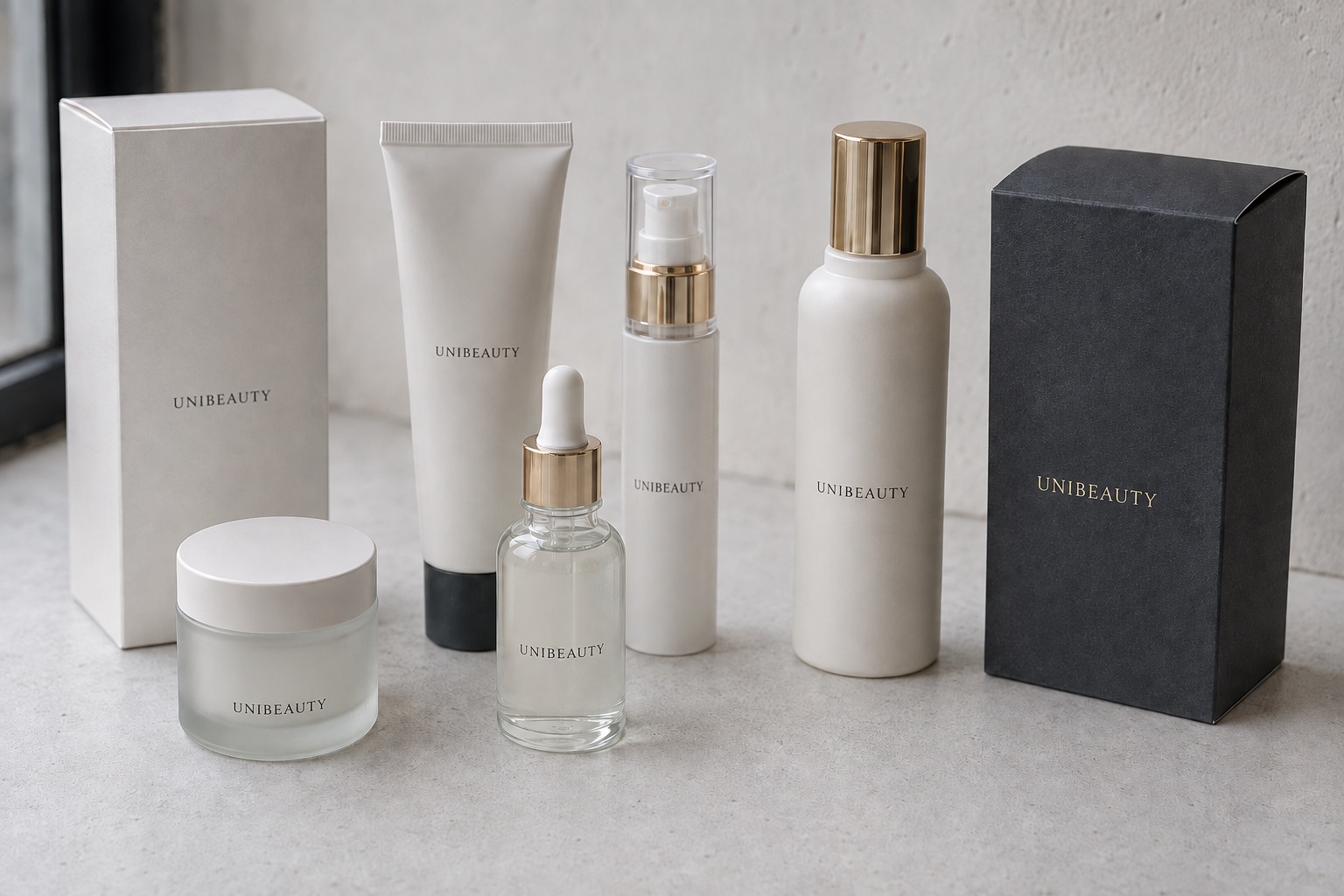
Develop cleansers, serums, eye care, creams, masks and targeted care around texture, skin feel, formula direction, dispensing and destination-market needs.
Share the intended user, routine step, desired experience and claims direction so feasibility, testing and packaging can be reviewed together.
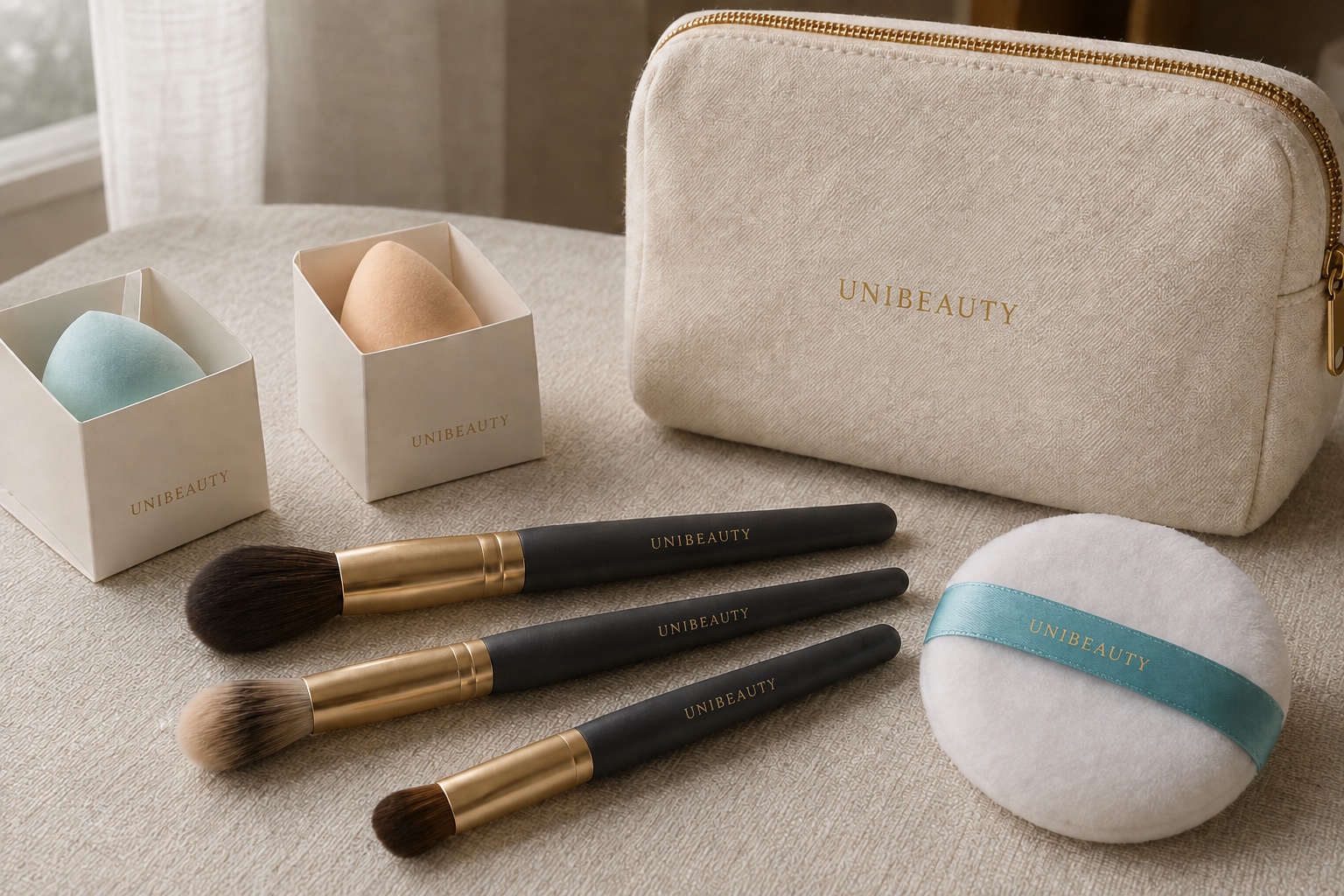
Tools and accessories shaped around application and material choice
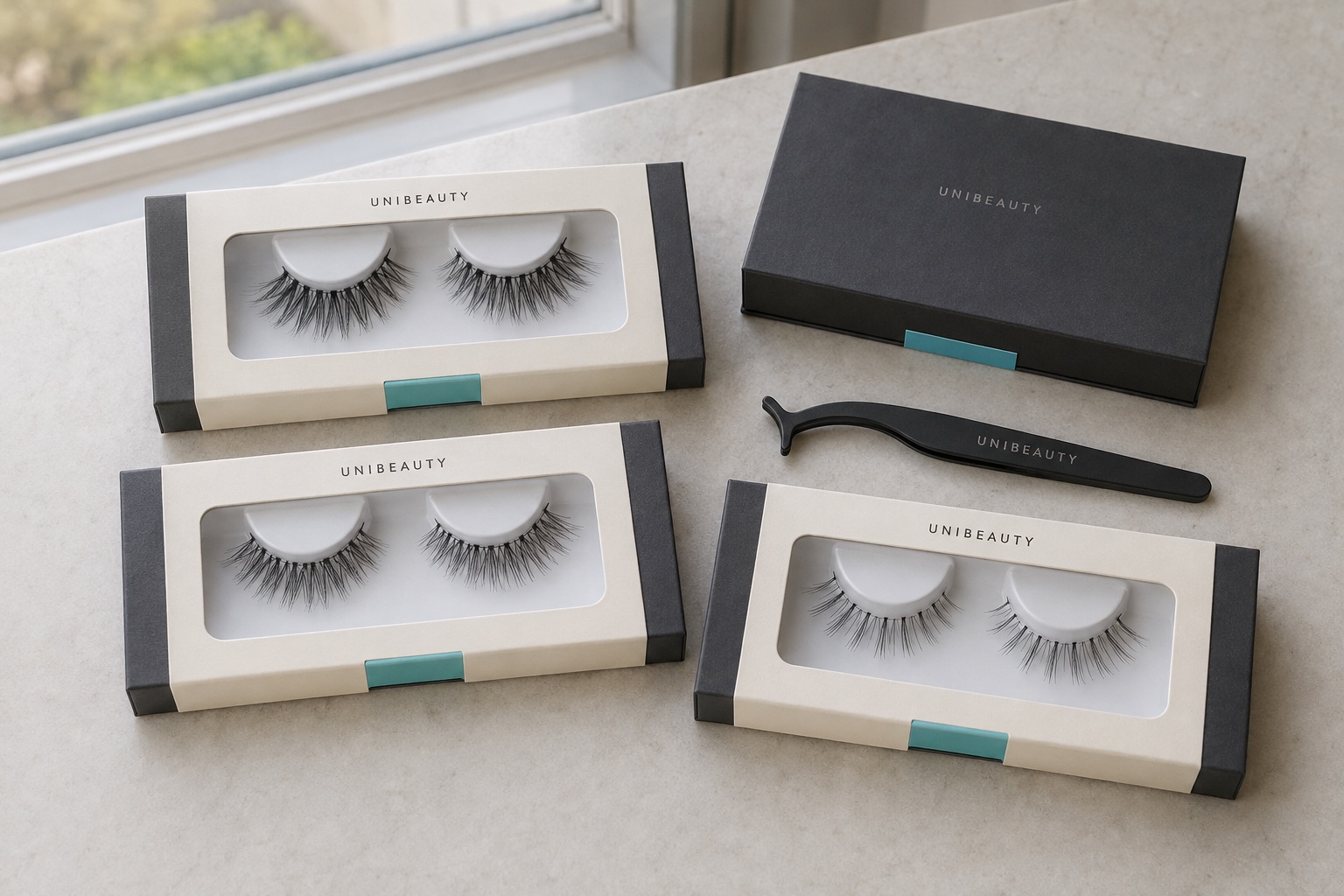
Develop brushes, sponges, powder puffs, lash formats and related accessories around material, shape, softness, fiber, color, logo, set structure and packaging.
Add strip or DIY cluster lashes when the launch needs a focused eye category alongside brushes, sponges, puffs or precision tools.
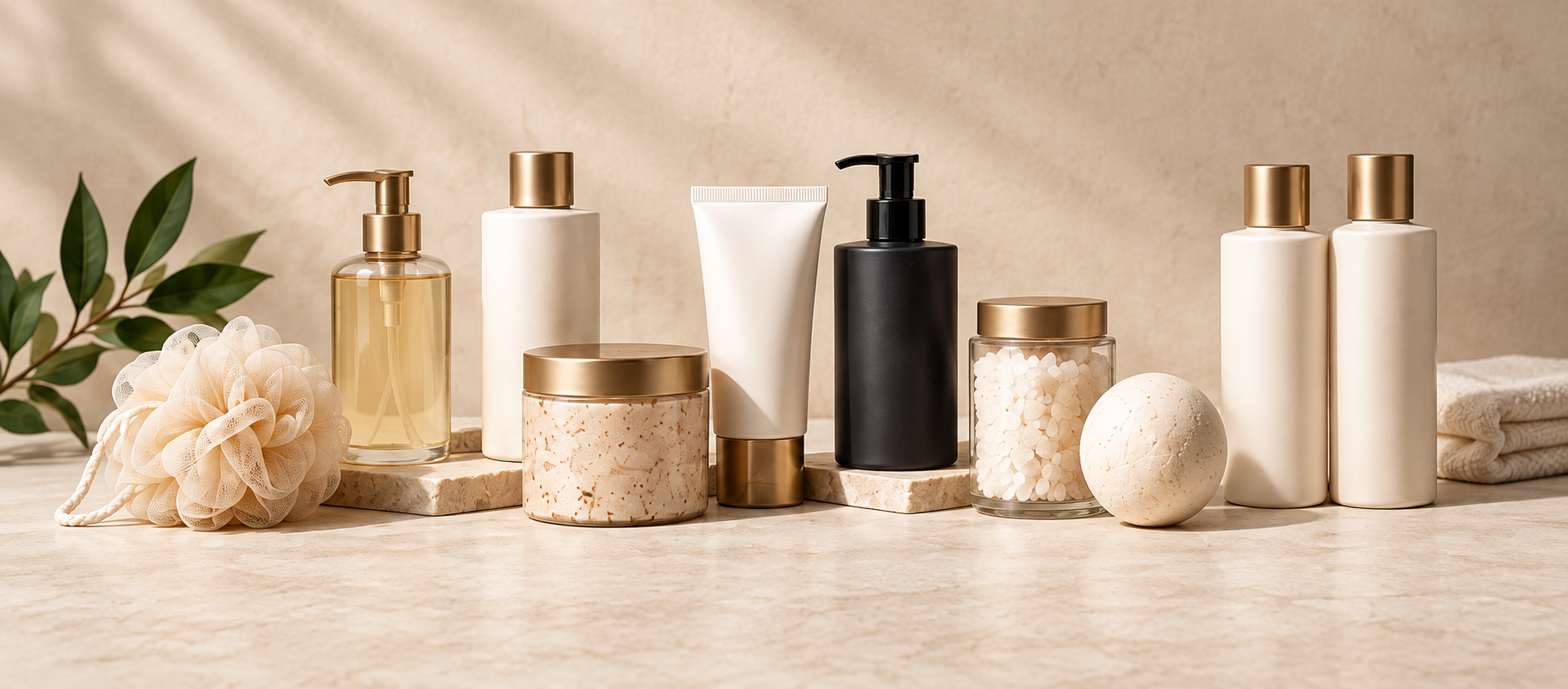
Build a coordinated bath, shower and body-care range
Develop cleansing, moisturizing and sensory formats around the intended routine, fragrance direction, texture, dispensing system and destination-market requirements.
Coordinate daily wash products, bath rituals, body care, selected hair-wash formats and accessories within one focused commercial plan.
Body wash, shower gel and cleansing formats
Bath salts, soaks, bombs and shower steamers
Body lotions, creams, scrubs and oils
Hair wash, hand and foot care, and bath accessories
Turn selected products into a coordinated launch set
Combine compatible SKUs into launch collections, gift sets, travel presentations or category extensions with coordinated inserts, bags, cartons and kitting requirements.
Define the consumer task, target selling price and expected demand for each item. Identify the core product, useful supporting items and products that can be sold separately; avoid adding similar items simply to increase the set size.
Mixed-SKU assembly
Gift and travel sets
Makeup-bag and lash combinations
Sorting, inserts and distribution prep
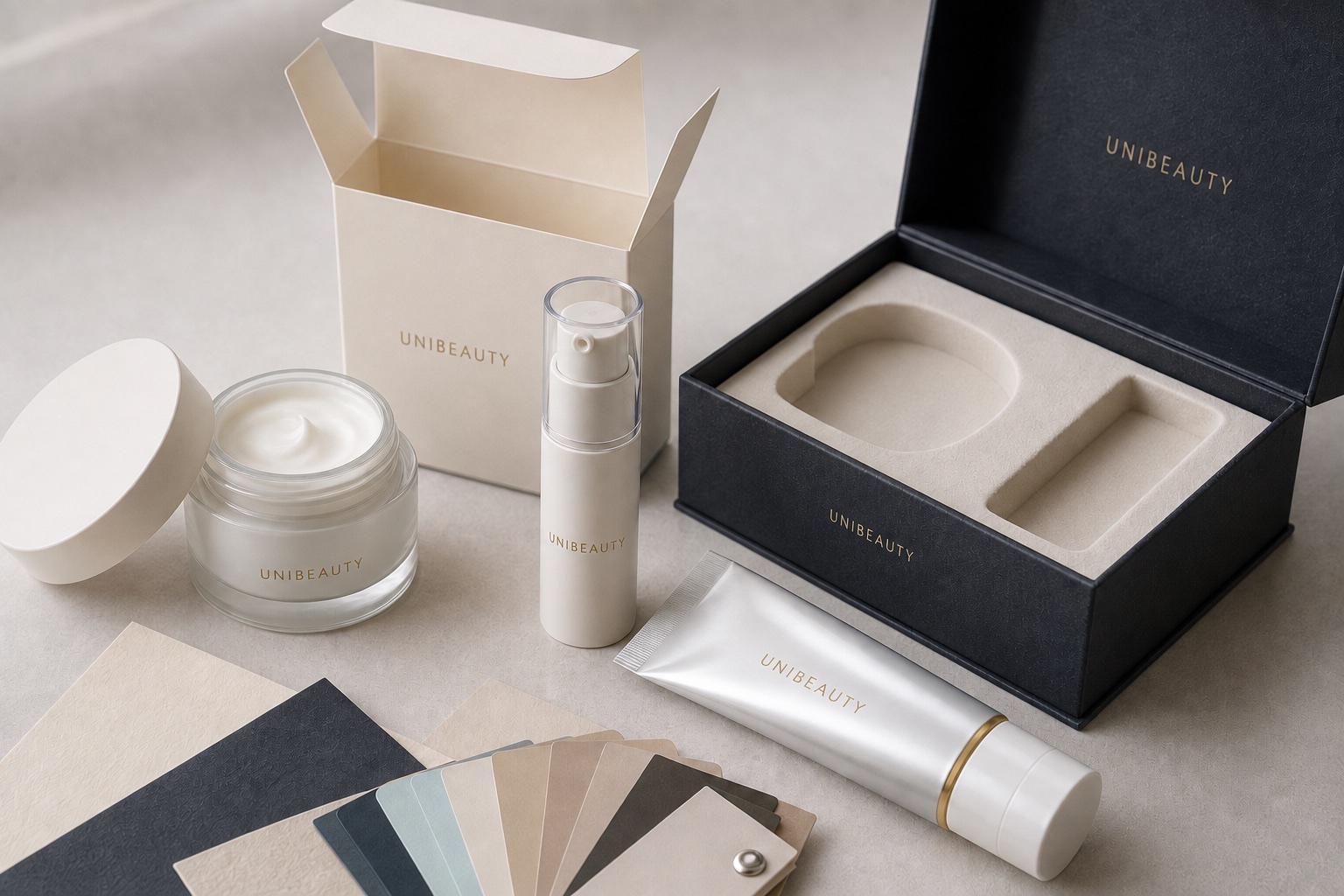
ODM Packaging
Match the pack to the product, volume and retail plan
Coordinate containers, materials, decoration, labels, cartons, rigid boxes and gift structures around the product format, brand direction and intended quantity per SKU.
Reference images or samples can guide the review; final material, tooling, quantity, testing and feasibility are confirmed for the exact project.
Define the product, packaging and approval points before sampling.
A useful brief connects the intended consumer, product experience, formula or material direction, packaging, intended quantity per SKU and destination market so the first review can focus on feasible routes.
Product & ConsumerMaterial or texture, color, finish, skin feel, performance, format and net content.
Formula or MaterialIngredient direction, ratios, concentration, moisture and selected active percentage—subject to validation.
ODM PackagingComponents, materials, decoration, outer packaging, inserts and presentation.
Set & AssemblyMixed-SKU kitting, sorting, supporting materials, distribution preparation and repeat-order files.
Quantity & TimingRecord first-order quantity for each SKU, the target shelf date and expected replenishment needs. Work back through approvals, materials, production, assembly and transport; identify which products can launch independently.
Market RequirementsTesting, documentation, compliance and destination responsibilities planned for the exact product.
Private Label & Custom Development
Choose how far the project needs to go beyond an existing product route.
Use private label for a faster established route, or add custom product development, formula work, color matching and packaging development when the launch needs a more specific result.
Collection Launch SetsCore products and useful supporting items, with a shared brand presentation and separate quantity plans for individual sales, sets and replenishment.
Private Label ManufacturingConfirm the selected product, specifications, branding and retail pack, then carry approved samples and requirements into the production brief.
Custom DevelopmentCompare formula, color, material, shape and size options against the product goal. Record the selected route, sample criteria and development commitments.
Packaging DevelopmentCoordinate containers, decoration, retail cartons, gift structures and inserts, with approved artwork, assembly instructions and quantities for each pack version.
Tell us which parts are already decided and which still need supplier input. This helps separate product selection from development work and keeps the quotation brief clear.
Specifications, availability, testing, documentation, quantities, timing and destination-market requirements remain project-specific and are confirmed before order approval.
How a collection takes shape — illustrative planning examples
A skincare line for an established distributor
Core cream
Distinct companion
Later extension
Review the distributor’s current creams, serums, price bands and available sales feedback to find an own-brand gap. A core cream may lead the range, with a serum or cleanser added for a distinct consumer need. Select the first launch products before committing to a complete routine; add eye care or other extensions when the channel plan supports them.
Choose a lead format and the shades needed by local consumers. Add a complementary blush, contour or application tool only where it has a separate purpose. Coordinate brand colors and retail presentation, while checking each formula, component and shade independently. Set quantities by shade and expected sales, rather than dividing the order equally.
Use the channel’s best-selling styles and application needs to select core lashes and supporting styles. Plan trays, applicators and other agreed components around use. Separate the complete kit from refill packs so future orders can follow actual consumption instead of repeating every component at the same rate.
UniBeauty brings the products, packaging and manufacturing resources together to offer a competitive project price. Compare product costs by SKU, shared and dedicated components, tooling, decoration, assembly, testing, freight and the agreed service scope. Where a common container or outer-box system is suitable, we assess its cost against fit, protection and quantity requirements. First-order investment and repeat-order costs should remain visible.
These examples show our planning method; they are not completed client case studies. A project plan records the selected SKUs, their roles and quantities, product and packaging specifications, approval points, launch assets and supply milestones.
Validate the market before fully customizing the range.
UniBeauty can build a complete customized collection, but we generally recommend that an early brand proves product demand before committing every SKU to private-label printing, new packaging or dedicated development. Full customization adds setup cost, lead time and committed inventory before the brand knows which products can acquire customers and generate repeat orders.
Prove reachable demand
Define the sales channel, the audience the brand can currently reach, the expected acquisition cost, selling price, margin and realistic first-order volume. A product being new does not by itself prove a large market.
Protect long-term core SKUs
Keep a focused group of products with clear use occasions and repeat potential. Established formats such as lip gloss and long-wear lipstick continue to sell because consumers understand them and return to the category; market validation is an asset, not a lack of innovation.
Use trend products selectively
Newer directions such as hand masks, foot masks or another emerging format can support a campaign, open a conversation or test a new consumer need. Start with samples, confirmed stock or the lowest practical route when available, then expand only after the sales signal is visible.
Customize the proven winners
Move the products with demonstrated acquisition, margin and reorder potential into a simple private-label, OEM or ODM route. Concentrating the customization budget on proven winners gives the brand more control without placing the whole launch under one large inventory commitment.
Recommended portfolio: combine several durable core products with a limited number of trend or test items. Ready stock helps establish the first sales data; eligible unbranded products can support a simpler private-label step; deeper formula, component and logo customization follows when the product and channel can support the required quantity and lead time.
Private label beauty gift sets: quantities, approvals and supply
UniBeauty coordinates multi-category beauty gift sets for brands, established retailers and professional distributors. Makeup, skincare, beauty tools and lashes can be developed within one project, with shared packaging and launch planning. Our own manufacturing and long-term production partners provide the category resources; each product keeps its own specification, approval and quality requirements.
Allocate quantities by componentCalculate the units needed for each kit component from the planned number of kits and the units included per kit. Add quantities intended for individual sale separately. Compare this demand with the minimum production or decoration quantity of each formula, color, container, tray and outer box. A total kit quantity does not automatically satisfy every component minimum.
Approve the products and the assembled setConfirm samples for each product, then check the assembled presentation: product count, version, fit, protection, artwork and packing sequence. A shared brand color does not replace formula, material or component checks. Record approved sample and artwork versions so a later change is visible before assembly.
Coordinate the slowest itemWork back from the required shelf date through transport, assembly, inspections, production and approvals. Identify the component most likely to delay the set. Compare completing the whole kit, using a suitable alternative or launching approved products separately before committing to a revised schedule.
Keep repeat-order costs visibleSeparate product costs, dedicated development or tooling, retail packaging, assembly, agreed testing and transport. Confirm how unused packaging or components will be paid for, stored and used in later orders. Replenish individual products and complete kits according to actual demand instead of automatically repeating the original mix.
Already have a designer, laboratory or freight forwarder? Include them in the project scope. Before comparing quotations, identify who supplies the formula or product specification, artwork, tests, packaging, assembly instructions and shipping documents, and who approves each handoff. UniBeauty can coordinate the agreed work alongside your existing team.
What the review produces: a component and quantity list, approved product and packaging references, a responsibility list, a combined quotation and milestones for assembly, shipment and repeat supply. This makes our competitive project pricing comparable against the same delivery scope.
Carry approved specifications into production and quality review.
Once the product route is approved, material or formula requirements, components, appearance, labeling and packing can be reviewed against the agreed project specification.
Incoming ControlMaterials, components and supporting items are checked and prepared against project requirements.
Production ProcedurePersonnel, work areas and applicable packaging preparation follow the confirmed production procedure.
Process ControlSuitable equipment and process controls are matched to the formula, component and batch plan.
Batch TraceabilityKey materials, approved specifications, production decisions and packing steps support review and repeat-order continuity.
Prepare the inputs for a focused ODM project review.
Share the product line, detailed type, development stage, target market, intended quantity per SKU, packaging direction and timing. We will review the project as one launch plan and respond with the most relevant development and production route.